Showing posts with label lower back. Show all posts

How Back Pain Starts


When considering back pain we must concern ourselves with its variants. For instance, back pain can start with slip disks, which in medical terms is called “Herniated nucleus pulposa.” (HNP) Doctors define slip disks as ruptures of the “intervertebral disk.” The intervertebral rests between the vertebrae (Spinal Column) of the backbone.

The interruption has variants, including the “Lumbrosacral,” (L4 and L5) as well as cervical C5-7. The cervical is at the neck and belongs to other parts of the back and neck as well. When doctors consider slip disks they often look through etiology, which includes neck and back strains, trauma, congenital/inborn bone malformation, heavy lifting, degenerated disks, and/or weakness of ligaments.

After carefully considering, etiology doctors consider Pathophysiology, which includes protrusions of the “nucleus pulposus.” The center connects to the column or spinal canal and perhaps compressing the spinal cord or the nerve core, or roots, which causes back pain. If the spinal cord is compressed restraining the roots and cord often back pain, numbness, and the motor functions may fail.

The assessments in medical terms are based on Lumbrosacral, which may include acute or chronic pain at the lower back. The pain may spread out to the buttocks and move toward the legs. The person may feel weakness, as well as numbness. In addition, such pain can cause tingling around the legs and foot. The final assessment may include ambulation, which emerges from pain.

The cervical is considered. The symptoms experts look for is neck rigidity, deadness, weakness, and “tingling of the” hands. If the neck pain spreads the pain down to the arms and continue to the hands, experts will consider slip disks. Yet other symptoms may occur, such as weakness that affects the farthest points, or the higher boundaries of the body. The lumbar curves is at the lower back region and is situated in the loins or the smaller area of the back, which doctors consider also, especially if the patient has difficult straightening this area with the curvature of the spine (scoliosis) and away from the area influenced.

When doctors consider back pain, they will review the diagnostics after conducting a series of tests. Diagnostics may arise from tendon reflex, x-rays, EMG, myelograms, CSF, and/or Laséque signs. CSF helps the doctor to analyze the increases in protein while EMG assists experts in viewing the involvement of the spinal nerves. X-rays are used to help experts see the narrow disk space. Tendon reflexes are tested, which the doctors use tests to look deep into the depressed region, or the absent upper boundary reflexes, or in medical lingo the Achilles’ reactions or reflex. Myelograms assist the expert in seeing if the spinal cord is compressed. The tests start if the Laséque signs show positive results behind etiology findings, Pathophysiology, assessments, and so on.
How doctors manage slip disks:
Doctors prescribe management in medical schemes to isolate or relieve back pain. The management schemes may include diet whereas the calories are set according to the patient’s metabolic demands. The doctor may increase fiber intake, as well as force fluids.

Additional treatment or management may include hot pads, moisture, etc, as well as hot compressions. Doctors often recommend pain meds as well, such as those with NAID. The pain meds include Motrin, Naproxen, Dolobid, or Diflunisal, Indocin, ibuprofen, and so on. Additional meds may include muscle Relaxers, such as Flexeril and Valiums. The common Relaxers are diazepam and cyclobenzaprine hydrochloride, which diazepam is valiums and the other Flexeril.

Orthopedic mechanisms are also prescribed to reduce back pain, which include cervical collars and back braces. 

Low Back Pain:Self Help Exercises

It's not all bad news: research has shown that cyclists who regularly work on their back flexibility can reduce their risk of experiencing low back pain (LBP).Complete these execises pre/post-ride and 24 hrs after each ride

Diagonal Trunk Stretch

Diagonal Trunk Stretch

While sitting on your knees,place your right hand on the left side of the Swiss ball put your other hand on top of it.The roll the Swiss bal forwards and over to the left to create a diagonal stretch for your right trunk.Hold ofr 5 seconds,rep up to 10 times per side


Single Knee Low Back Roll


Single Knee Low Back Roll

Lie on your back with your right knee bent and heel on your left shine.With your left hand,pull your right knee across your body to twist and 'open' your lower back.Turn your neck towards the right.
Hold for 5 seconds,repeat up to 10 times on each side.


Long Seated Low Back Twist

Long Seated Low Back Twist

Sit with your right leg out stretched in front of you
Bend your left knee then cross your foot over the right leg.
Place your right elbow against your outer left knee and slowly rotate your shoulders to the left,to twist your lower back.Hold for 5 seconds,repeat for up to 10 time each side.


Can Exercise Help Back Pain?


Make sure you're doing the right kind of activity to help protect your spine.

Keeping Fit

Gentle exercise can build strong back and stomach muscles to support your spine and maintain flexibility.

Walking and cycling are easy to incorporate into your daily lifestyle. Swimming is particularly good for backs, because it strengthens the muscles while supporting the body with water. However, some strokes may not be suitable, so get professional advice.

Getting Started

Following a regular exercise routine is a good idea, but if you have a bad back you should consult your doctor or physiotherapist about what exercise is safe.

Try to get a personal assessment - a qualified physiotherapist, osteopath or chiropractor can give you an exercise routine tailored to your own needs.

If you go to an exercise class, check it's run by a qualified teacher and that the teacher knows you have a bad back. A lot of commonly performed exercises may not be suitable for you.

Exercise Dos And Don'ts

When exercising, make sure you do:

  • Choose exercises suitable to your level and work up gradually
  • Take things at your own pace
  • Drink water before, during and after exercise
  • Do gentle warm-up stretches before and after exercising
  • Wear good footwear and appropriate clothing
  • Enjoy yourself


Don't:


  • Continue with an activity if it hurts your back
  • Eat a large meal before exercising
  • Perform exercises on a stone or concrete floor
  • Exercise if you feel ill
  • Do exercises that put weight or excessive strain on an acutely painful joint or spine


Life Style Adjustments

Four in five adults experience back pain at some point, but the back is so complex every person needs individual treatment options. Discover more about how your back works, what can go wrong and how you can prevent back problems.

Back Pain: Making Adjustments

Making small changes to your lifestyle can reduce your risk of back pain.

Back pain can be caused by many factors. Run through your daily routine and examine the amount of strain you place on your spine.Read our causes of back pain article HERE

Stress

Stress can also create muscle tension, causing a loss in flexibility that can lead to back pain. To reduce stress, try:

  • Exercise
  • Yoga
  • Meditation
  • Getting more sleep or listening to music.

If you smoke, stop. It puts you at increased risk for back problems since your blood has trouble delivering oxygen to working tissues, making your back weaker.

Making small changes to your lifestyle can reduce your risk of back pain.


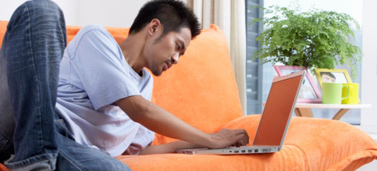
Laptops & Backache ?

Laptops make us more mobile but they're blamed for a rise in back, neck and shoulder problems.


Almost 215,000 workers suffer from upper limb disorders (ULDs), also known as repetitive strain injury (RSI), according to the 2008/9 Labour Force Survey. The increased popularity of laptops may be adding to the problem.
Laptop computers were once used mainly by busy business people who had to work on planes or trains, but not any more.
Thanks to low prices, the rise in home working and wireless internet access, laptops are everywhere. In 2005, laptops outsold desktop computers for the first time ever.
About 8% of the workforce are teleworkers (working from other locations, using the home as a base or working from home). This figure is expected to rise.
The Health and Safety Executive’s 2006 Horizon Scanning paper reports that by 2015, 70-80% of workers could be, at least partially, working away from the office.
“I've seen many people with neck, back and shoulder problems caused by excessive laptop use,” says Tim Hutchful, a British Chiropractic Association-registered chiropractor.

Posture Advice

Bad posture is inevitable because of the way laptops are designed, says Levent Caglar, senior consultant ergonomist at the Furniture Industry Research Association (FIRA).
“The main problem is the keyboard being attached to the screen,” he says.
“You need the screen at arm's length but you need the keyboard near you, so you push the laptop further back, then your hands stretch out, then you hunch your shoulders.
"That creates bad posture. If I were designing a laptop, I’d do it with a detachable screen.
“The average human head weighs quite a lot. If it’s in the ideal position, balanced above the shoulders, it’s fine.
“But when you use a laptop, your ears are further forward than your shoulders. That’s like taking a weight and holding it out at arm's length.
“The load through your spine is much greater and, even worse, it’s a static load. You’re not moving. This causes neck, upper back and arm problems."
Tim says that laptops are fine when used properly. "There are plenty of ways you can make your laptop safer and more comfortable,” he says.

Laptop Use Tips

Use a separate keyboard and mouse so that the laptop can be put on a stand and the screen opened at eye level.


  • Use your laptop on a stable base where there is support for your arms, and not on your lap.
  • Take regular breaks. If you’re moving, there’s a lot less stress on your muscles and joints.
  • Adopt good sitting posture with lower back support, and ensure that other desk equipment is within reach.
  • Get into good habits before the aching starts. Neck, shoulder and back problems gradually build up over time.


Back Pain & Nutrition

Degenerative discs are a significant cause of lower back pain

Back pain and disc health 'linked' to lack of nutrients

Heavy lifting, twisting and bending can do damage to the discs in the back by reducing the flow of nutrients to the disc cells, a study says.

Disturbing the balance of nutrients in the discs can then lead to the onset of degenerative disease.

Writing in PLoS Computational Biology, Spanish experts say a normal level of physical activity helps cell nutrition.

Lower back pain, which is linked to degenerative spinal discs, could be caused by this lack of nutrients.

Previous research has shown that 80% of the active population suffers from low back pain at some point in their lives.

But little was known about the chain of events which changes normal, healthy ageing discs into degenerative discs.

Using computer models of the human disc in their study, a team of scientists from Barcelona's Institute for Bioengineering looked at the nutritional and mechanical effects of stress on the discs of the lower back.

By using the models, the researchers were able to see what happened when they changed disc height, cell density and made degenerative changes to the disc.

It would not have been possible to carry out this quality of research in a living person.

'Collapsed Sponge'

The results showed that external loads on the disc influenced the solute concentration - the amount of glucose and lactate present in the disc.

The cells need glucose but do not want too much lactate, an acid which hinders the nutrition process and can kick-start the degenerative process.

Dr Jerome Noailly, study author and expert in the biomechanics and mechanobiology group at the Institute, said the study showed that nutrients could be the key factor.

"If we know that lack of nutrition is involved in accelerating the degenerative process and the properties of a degenerative disc hinder nutrition, then this will increase cell death and the disc tissue will start to degenerate more and more.

"In order to bring back the function of the degenerated disc, we must address the nutrition problem.

"This means restoring the water content of the disc and the volume of the disc. A degenerated disc is like a collapsed sponge which needs to be restored to its normal size."

The research team says the findings could open up new areas of research in the field of disc regenerative medicine.

Dr Brian Hammond, chair of the charity BackCare, said: "We are what we eat and the spine is no exception. A balanced diet, adequate fluid intake and regular exercise are essential for a healthy back and neck.

"There is little doubt that poor diet, being immobile for long periods and bad habits like smoking contribute to spinal degeneration and the high incidence of back and neck pain in the UK."


Types Of Back Pain


Neck Pain

Neck pain refers to any pain experienced in the area from the base of the skull to the shoulders and can spread to your upper back or arms.

This can include feelings of stiffness or tightness, as well as sharp pain and, in severe cases, can reduce the movement of the neck and head. Neck pain can also cause tension headaches.

Most muscles in the body will relax completely when they are not being used, but the muscles in the neck are permanently tensed in order to support the head. Although most common in people over 50, neck pain can develop at any age as the result of excess strain on the neck. This could include slouching, sleeping in an awkward position or working at a computer for long periods of time without a break.

Neck pain can also develop as the result of an accident. Perhaps the best known is whiplash; an injury sustained as a result of the head being thrown forward and back in a car accident.

Neck pain is rarely the result of a serious injury and will often lessen after a few days. If you are suffering from neck pain, try to keep moving and maintain your normal routine as best you can. Over-the-counter painkillers may also help.


Upper And Middle Back Pain

The upper and middle back refers to the section of vertebrae, known as the thoracic vertebrae, which runs from the base of the neck to the bottom of your ribcage. This type of back pain is less common than neck or lower back pain as the bones in this area are not required to move and flex as much.

Like many other types of back pain, upper and middle back pain can range from aching and stiffness to a sharp or burning sensation. Pain in this area is often the result of pinched nerves in the spine by the ribs.

One cause of back pain in this area is poor posture. Try to keep your back as straight as possible and balance your weight evenly on both feet. When sitting, keep your shoulders rolled back and be sure to adopt suitable positions when driving, sitting or using computers.

For more advice on ways you can protect your back, see the 'preventing back pain' section of this guide.

Lower Back Pain

This is the commonest type of back pain with around 8 out of 10 people affected at some time in their lives. The lower back is defined as the area between the bottom of the ribcage and the top of the legs. Symptoms range from tension and stiffness to pain and soreness.

Most people's back pain is described as non-specific, meaning it is caused by structures in the back as opposed to rare conditions such as cancer or a fracture.

The back is a delicate area of muscles, nerves, bones and joints and is continuously working hard to support the weight of the upper body. Lower back pain is often triggered by everyday activities such as bending awkwardly, lifting incorrectly, standing for long periods of time, slouching when sitting and driving for long periods without taking breaks.

The 'preventing back pain' section of this guide has advice on guarding against these common causes of back pain and includes tips on lifting correctly, sitting properly, using computers and avoiding back pain caused by driving.

Buttocks And Legs (Sciatica)

Sciatica is pain caused by irritation or compression of the sciatic nerve. The sciatic nerve is the longest nerve in your body and runs from the back of your pelvis, through your buttocks, and all the way down both legs, ending at your feet.

When something compresses or irritates the sciatic nerve, it can cause a pain that radiates out from your lower back and travels down your leg to your calf. This can be mild to very painful.

The most common cause of sciatica is a slipped disc. This occurs when one of the discs that sit between and cushion the vertebrae is ruptured. Most cases of sciatica will pass without the need for treatment. A combination of the self-help measures described in this guide such as over-the-counter painkillers, exercise and hot or cold packs can usually relieve the symptoms.

For persistent sciatica, you may be advised to try a structured exercise programme under the supervision of a physiotherapist. In rare cases, surgery may be needed to control the symptoms.

Urgent (Red Flag Symptoms)

Most cases of back pain will usually get better without medical help. However, there are a number of warning signs, known as 'red flags', which may indicate that your back pain is serious.

These red flag signs include:

·         A high temperature (fever) of 38C (100F) or above
·         Unexplained weight loss
·         Constant back pain that does not ease after lying down or resting
·         Pain that travels to your chest or that is high up in your back
·         Pain down your legs and below the knees
·         A recent trauma or injury to your back
·         Loss of bladder control
·         Inability to pass urine
·         Loss of bowel control
·         Numbness around your genitals, buttocks or back passage

If you have any of the signs or symptoms listed above, contact your GP immediately. If this is not possible, you can telephone NHS Direct on 0845 4647.

You should also seek medical advice if you are having back pain and:

·         You are under 20 or over 55 years old
·         You have taken steroids for a few months
·         You misuse drugs
·         You have or have had cancer
·         You have a weakened immune system as a result of chemotherapy treatment or a medical condition such as HIV or AIDS

Also contact your GP if your symptoms fail to improve within three days or you have persistent pain that lasts longer than six weeks.

Preventing Back Pain


To avoid back pain, you must reduce excess stresses and strains on your back and ensure that your back is strong and supple.
If you have recurring bouts of back pain, the following advice may be useful:


Lose Any Excess Weight

You can use the body mass index (BMI) healthy weight calculator to find out whether you are a healthy weight for your height.
Wear flat shoes with cushioned soles, as these can reduce the stress on your back.
Avoid sudden movements or muscle strain.
Try to reduce any stress, anxiety and tension.

Posture

How you sit, stand and lie down can have an important effect on your back. The following tips should help you maintain a good posture.

Standing

Stand upright, with your head facing forward and your back straight. Balance your weight evenly on both feet and keep your legs straight.

Sitting

You should be able sit upright with support in the small of your back. Your knees and hips should be level and your feet should be flat on the floor (use a footstool if necessary). Some people find it useful to use a small cushion or rolled-up towel to support the small of the back.

If you use a keyboard, make sure that your forearms are horizontal and your elbows are at right angles.

Driving

Make sure that your lower back is properly supported. Correctly positioning your wing mirrors will prevent you from having to twist around. Foot controls should be squarely in front of your feet. If driving long distances, take regular breaks so that you can stretch your legs.

Sleeping

Your mattress should be firm enough to support your body while supporting the weight of your shoulders and buttocks, keeping your spine straight. If your mattress is too soft, place a firm board – ideally 2cm thick – on top of the base of your bed and under the mattress. Support your head with a pillow, but make sure that your neck is not forced up at a steep angle.

Exercise

Exercise is both an excellent way of preventing back pain and reducing any back pain you might have. However, if you have chronic back pain (back pain that has lasted more than three months), consult your GP before starting any exercise programme.
Exercises, such as walking or swimming, strengthen the muscles that support your back without putting any strain on it or subjecting it to a sudden jolt.
Activities such as yoga or pilates can improve the flexibility and the strength of your back muscles. It is important that you carry out these activities under the guidance of a properly qualified instructor.
There are also a number of simple exercises you can do in your own home to help prevent or relieve back pain.

Wall Slides: stand with your back against a wall with your feet shoulder-width apart. Slide down into a crouch so that your knees are bent to about 90 degrees. Count to five, then slide back up the wall. Repeat five times.

Leg Raises: lie flat on your back on the floor. Lift each heel in turn just off the floor while keeping your legs straight. Repeat five times.

Bottom Lifts: lie flat on your back on the floor. Bend your knees so that your feet are flat on the floor. Then lift your bottom in the air by tightening your stomach muscles while keeping your back straight. Repeat five times.

At first, do these exercises once or twice a day, then gradually increase to six times a day, as your back allows.
These exercises are also useful for 'warming up' your back. Many people injure their back when doing everyday chores at home or work, such as lifting, gardening or using a vacuum cleaner. 'Warming up' your back before you start these chores can help to prevent injury.

Read Here for more information and advice about Exercises for back pain.


Lifting And Handling

One of the biggest causes of back injury, especially at work, is lifting or handling objects incorrectly. Learning and following the correct method for lifting and handling objects can help to prevent back pain.
Think before you lift: can you manage the lift? Are there any handling aids you can use? Where is the load going?

Start In A Good Position: your feet should be apart, with one leg slightly forward to maintain balance. When lifting, let your legs take the strain – bend your back, knees and hips slightly, but do not stoop or squat.
Tighten your stomach muscles to pull your pelvis in.
Do not straighten your legs before lifting as you may strain your back on the way up.

Keep the load close to your waist: keep the load as close to your body for as long as possible with the heaviest end nearest to you.

Avoid twisting your back or leaning sideways, especially when your back is bent. Your shoulders should be level and facing in the same direction as your hips. Turning by moving your feet is better than lifting and twisting at the same time.

Keep Your Head Up: once you have the load secure, look ahead, not down at the load.
Know your limits: there is a big difference between what you can lift and what you can safely lift. If in doubt, get help.

Push Rather Than Pull: if you have to move a heavy object across the floor, it is better to push it rather than pull it.

Distribute The Weight Evenly: if you are carrying shopping bags or luggage, try to distribute the weight evenly on both sides of your body.

Lifting Safely


Think Before You Lift!


One of the biggest causes of back injury, especially at work, is lifting or handling objects incorrectly. Learning and following the correct method for lifting and handling objects can help to prevent back pain.
Here are some key points to lift safely:

  • Think before you lift.
  • Start in a good position.
  • Keep the load close to your waist.
  • Keep your back as straight as possible.
  • Avoid twisting your back or leaning sideways.
  • Keep your head up.
  • Know your limits.
  • Push heavy objects, don't pull them.
  • Distribute the weight evenly.


Check out these safe lifting and handling tips, recommended by the Health and Safety Executive.

Think before you lift 

Plan the lift. Where is the load going to be placed? Use appropriate handling aids where possible. Will help be needed with the load? Remove obstructions, such as discarded wrapping materials. For long lifts, such as from floor to shoulder height, consider resting the load mid-way on a table or bench to change grip.

Keep the load close to the waist

Keep the load close to the waist for as long as possible while lifting. The distance of the load from the spine at waist height is an important factor in the overall load on the spine and back muscles. Keep the heaviest side of the load next to the body. If closely approaching the load isn't possible, try to slide it towards the body before trying to lift it.

Adopt a stable position

Your feet should be apart with one leg slightly forward to maintain balance (alongside the load if it's on the ground). Be prepared to move your feet during the lift in order to maintain a stable posture. Wearing over-tight clothing or unsuitable footwear, such as heels or flip flops, may make this difficult.

Ensure a good hold on the load

Where possible, hug the load close to the body. This may be a better option than gripping it tightly with the hands only.

Don't bend you back

A slight bending of the back, hips and knees at the start of the lift is preferable to either fully flexing the back (stooping) or fully flexing the hips and knees, i.e. fully squatting.

Don’t flex the back any further while lifting. 

This can happen if the legs begin to straighten before starting to raise the load.

Don't twist

Avoid twisting the back or leaning sideways especially while the back is bent. Keep your shoulders level and facing the same direction as the hips. Turning by moving your feet is better than twisting and lifting at the same time.

Keep your head up 

Keep your head up when handling the load. Look ahead, not down at the load once it has been held securely.

Move smoothly 

Don't jerk or snatch the load as this can make it harder to keep control and can increase the risk of injury.

Know your limits

Don’t lift or handle more than you can easily manage. There's a difference between what people can lift and what they can safely lift. If you're in doubt, seek advice or get help.

Lower down, then adjust

Put the load down and then adjust. If you need to position the load precisely, put it down first, then slide it into the desired position.


Acupuncture: Is It For You?


Acupuncture is a form of ancient Chinese medicine in which fine needles are inserted into the skin at certain points on the body.
It is a complementary or alternative medicine (CAM). This means that acupuncture is different in important ways from treatments that are part of conventional western medicine. Unlike conventional treatments, the use of acupuncture is not always based on scientific evidence.

Theory

Acupuncture is based on the belief that an energy, or 'life force', flows through the body in channels called meridians. This life force is known as Qi (pronounced 'chee'). Practitioners who adhere to traditional beliefs about acupuncture believe that when Qi cannot flow freely through the body, this can cause illness. They also believe that acupuncture can restore the flow of Qi, and so restore health.

Uses

Practitioners – called acupuncturists – use acupuncture to treat a wide range of health conditions. It is often used to treat pain conditions such as headache, lower back pain and dental pain, but is also commonly used against conditions ranging from infertility to anxiety and asthma. To learn more, see Common uses of acupuncture.
The availability of acupuncture on the NHS is limited. Most acupuncture patients pay for private treatment.

Does it work?

There is some evidence that acupuncture works for a small number of conditions, including migraine and post-operative nausea. However, there is little or no scientific evidence that acupuncture works for many of the conditions for which it is often used. More scientific research is needed to establish whether acupuncture is effective against these and other conditions.
There is no scientific evidence for the existence of Qi or meridians. Some scientists and acupuncturists believe that acupuncture may stimulate nerves and muscle tissue, and that this may be responsible for the beneficial effects that have been observed in some scientific trials. More research is needed before acupuncture’s method of action is fully understood.
For more information, see Evidence for acupuncture. If you choose to have acupuncture, make sure that your acupuncturist is fully qualified and practises the treatment under safe and hygienic conditions.
Currently, the National Institute for Health and Clinical Excellence (NICE) recommends acupuncture as a treatment option only for lower back pain.

Sit Correctly


If you work in an office and use a computer, you can avoid injury by sitting in the right position and arranging your desk correctly. Follow these tips:

Support your back

Avoid back pain by adjusting your chair so that your lower back is properly supported. A correctly adjusted chair will reduce the strain on your back. Get one that is easily adjustable so that you can change the height, back position and tilt. Have your knees level with your hips. You may need a footrest for this.


Adjust your chair

Adjust your chair height so that you can use the keyboard with your wrists and forearms straight and level with the floor. This can help prevent repetitive strain injuries. Your elbows should be by the side of your body, so that the arm forms an L-shape at the elbow joint.

Rest your feet on floor

Your feet should be flat on the floor. If they’re not, ask if you can have a footrest, which lets you rest your feet at a level that’s comfortable. Don't cross your legs, as this can cut off circulation and cause hip problems.


Place your screen at eye level

Your screen should be directly in front of you. A good guide is to place the monitor about an arm's length away, with the top of the screen roughly at eye level. To achieve this you may need to get a stand for your monitor. If the screen is too high or too low, you'll have to bend your neck, which can be uncomfortable.

Using the keyboard

Place your keyboard in front of you when typing. Leave a gap of about four to six inches (100-150mm) at the front of the desk to rest your wrists between bouts of typing. Your wrists should be straight when using a keyboard. Keep your elbows vertical under your shoulder and right by your side. Some people like to use a wrist rest to keep their wrists straight and at the same level as the keys.

Keep your mouse close

Position and use the mouse as close to you as possible. A mouse mat with a wrist pad may help to keep your wrist straight and avoid awkward bending. If you are not using your keyboard, push it to one side if using the mouse a lot.

Avoid screen reflection

Your screen should be as glare-free as possible. If there’s glare on your screen, hold a mirror in front of it to identify the cause. Position the monitor to avoid reflection from overhead lighting and sunlight. If necessary, pull blinds across the windows and replace ceiling lighting with table lights. Adjusting the screen's brightness or contrast can make it much easier to use.

Working with spectacles

People with bifocal spectacles may find them less than ideal for computer work. It's important to be able to see the screen easily without having to raise or lower your head. If you can’t work comfortably with bifocals, you may need a different type of spectacles. Consult your optician if in doubt.

Make objects accessible

Position frequently used objects, such as your telephone or stapler, within easy reach. Avoid repeatedly stretching or twisting to reach things.

Avoid phone strain

If you spend a lot of time on the phone, try exchanging your handset for a headset. Repeatedly cradling the phone between your ear and shoulder can strain the muscles in your neck.

Slipped Disc


A slipped disc, also called a prolapsed or herniated disc, occurs when one of the discs of the spine is ruptured (splits) and the gel inside leaks out. This causes back pain and can also cause pain in other areas of the body.

The spine 

The spine is made up of 24 individual bones called vertebrae, which are stacked on top of each other. Discs are the protective, circular pads of cartilage (connective tissue) that lie in between the vertebrae. The discs are responsible for cushioning the vertebrae when jumping or running.
The spinal cord is a collection of nerve fibres that are attached to the brain and are protected by the spine. Nerve fibres from the spinal cord pass between the vertebrae as they take and receive messages to and from different parts of the body.

A slipped disc

The discs are made from a tough, fibrous case, which contains a softer, gel-like substance. A slipped disc occurs when the outer part of the disc ruptures (splits), allowing the gel inside to bulge and protrude outwards between the vertebrae.
The damaged disc can put pressure on the whole spinal cord or on a single nerve fibre. This means that a slipped disc can cause pain both in the area of the protruding disc and in any part of the body that is controlled by the nerve that the disc is pressing on.

How common is a slipped disc?

Slipped discs are most common in people between the ages of 30 and 50. The condition affects twice as many men as women.
A slipped disc occurs most frequently in the lower back, but any disc can rupture, including those in the upper back and neck. Around one-third of adults in the UK have lower back pain, and a slipped disc is responsible in less than 1 in 20 cases.

Outlook

It can take around four to six weeks to recover from a slipped disc. In most cases, treatment involves a combination of physical therapy, such as exercise and massage, and medication to relieve the pain.
In severe cases, or if the pain continues for longer than six weeks, surgery may be considered. A number of different procedures can release the compressed nerve and remove part of the disc. The success rate for surgery on the lumber (lower) spine is around 60-90%.

Back Magic ?


The Bodi-Tek BackMagic

The BackMagic is specifically designed to relieve back pain due to tight muscles, the loss of lumber curve and poor spinal alignment. Targeting the lumbar region of the lower back the BackMagic is an easy to use solution for spinal tightness and tension.

We all spend way too much time sitting, which negatively alters our posture by flattening our lower back and neck curves.
This inevitably causes stiffness and tightness of the postural muscles that are attached to our spine.  The BackMagic is an effective and portable device that can easily help to alleviate this universal problem.

Use the BackMagic twice a day for only 5 minutes and your spine will become more flexible and your posture will totally transform. You will be able to stand taller and look and feel better in just 10 minutes a day. If in any doubt read the reviews which are everywhere for this simply but effective problem solver.


Health Tip:


If you have a recognised back or neck condition including any Spondylosis, Osteoporosis, Severe Arthritis, Spondylolisthesis, Spinal Lesions/Tumours, and Acute Fractures, consult your doctor before use.

Part of your daily routine


Before using the BackMagic read the user guide to maximise the benefits.

Perform a five-minute stretch per session in your desired position. Two sessions a day are recommended, although you may enjoy using the BackMagic even three times a day.  Pay special attention to your daily progress. Individual results may vary. Some users experience immediate relief and noticeable benefits, while others may take several weeks.

Start by using the BackMagic for 1 minute twice a day. Even with this minimum amount of use you should expect to feel the affects as your body adjusts. As your flexibility and posture improve you may want to advance to Level 2. Progression to Level 3 should only be considered if you are high flexible. i.e. you already do  yoga, pilates, gymnastics or athletics.

Handy Tip:


Relax! One of the keys to a good tension relieving stretch is relaxation. Take a deep breath, exhale gently, and let your body weight work together with gravity. You will achieve a greater stretch and arrive at a more relaxed state sooner.

How to use

The BackMagic was designed to make your life more enjoyable through better back health. Use the BackMagic to stretch muscles and relieve back pain due to tight muscles, excessive flexion, and poor spinal alignment. Incorporate it into your daily routine to achieve maximum results. The user guide goes into more detail on the various exercises and routines.

Nick "This has to be the single most useful item that I have bought in my quest for relieving my lower backache,everyone is different and not everyone's back will respond in the same positive way,all I can say is that it's worked form me.5 minutes in the morning before I leave for work and then 5 minutes in the evening before bed, with the Back Magic set at the lowest setting,with my arms by my sides,palms face down and with my knees up with the soles of my feet flat on the floor,when the 5 minutes is up, I found it easier to roll over onto my side and lay still for 30 seconds or so and then slowly sit up and then stand up,slowly."


Bodi-Tek Back Magic Available HERE
Copyright © Stop My Backache - British Heart Foundation - Sponsored by ukscootersales.com